Creative Cloud Splash Screens
For years, Adobe's Creative Cloud splash screens followed a systematic, app-by-app formula: an icon, a color, and not much connecting one app to the next. In 2013, Adobe's Executive Creative Director asked me to bring more of the artist community into the brand. I built the pitch and sold it with a video I edited: reimagine the splash screens entirely, sourcing directly from working artists instead of running another internal branding exercise. The ambition was big, a vision scaling to as many as 156 artists a year, but what we settled on and built was a more focused Fall and Spring release cadence. I curated, commissioned, and led creative direction on the program that followed, across multiple generations over the next decade.
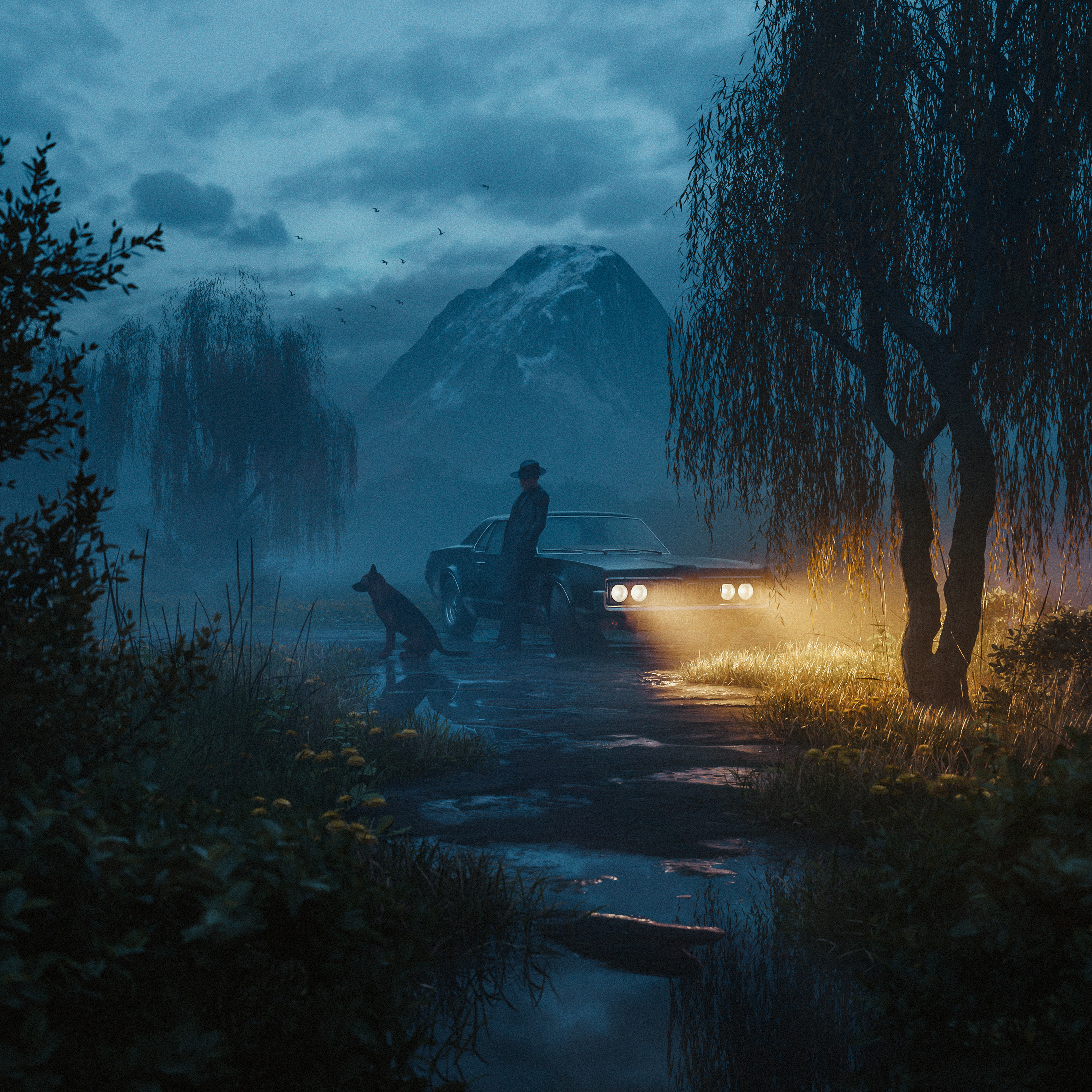
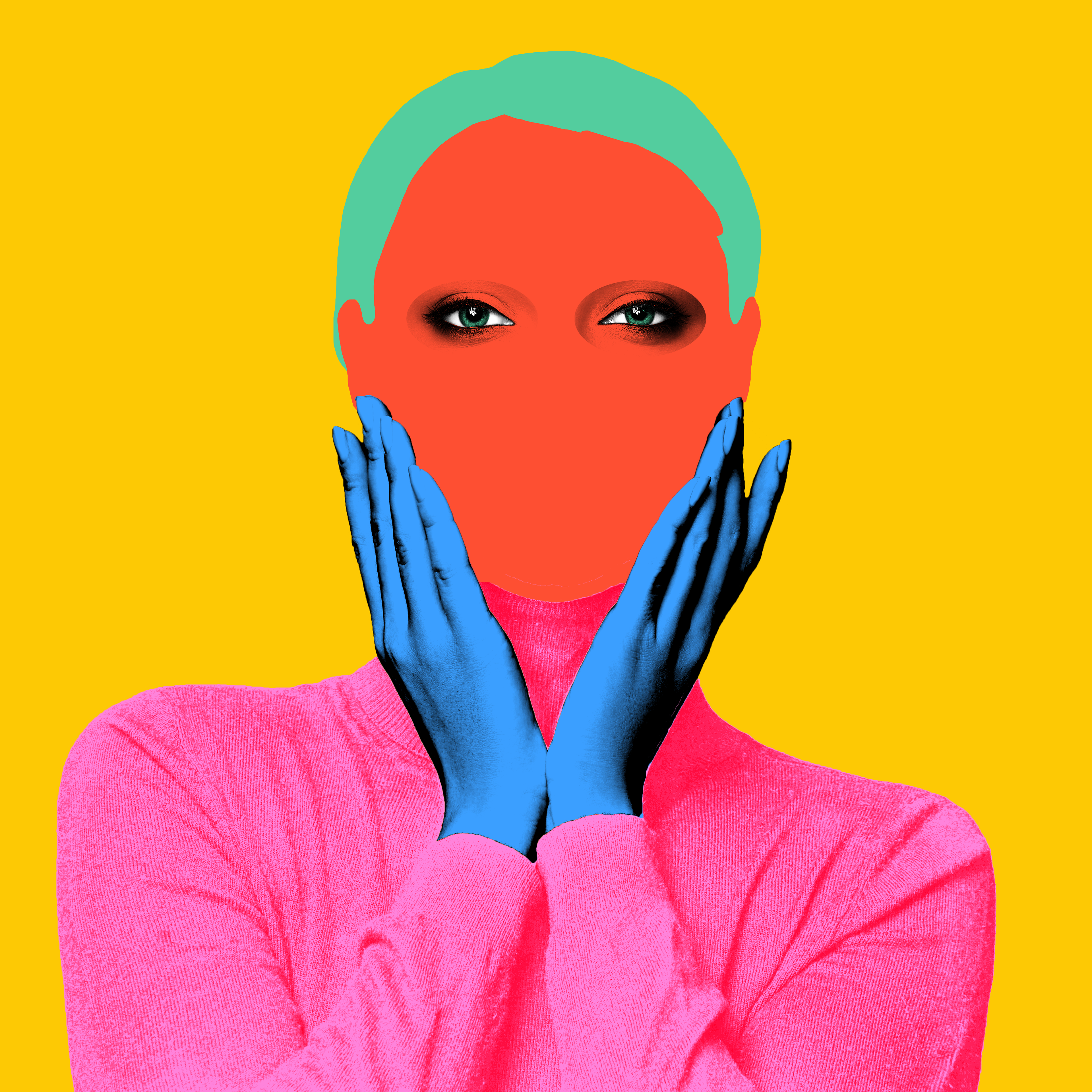
The 2014 release launched that Fall with artists including Flora Borsi and Mike Winkelmann, showing under his own name years before he became known globally as Beeple, from his “Everydays” series, and continued into Spring 2015 with Kylli Sparre, Sebastián Andaur, James Gilleard, Geso, and others. Both halves were a straightforward celebration of the community already inspiring Adobe's users, without tying any one artist to a specific app.



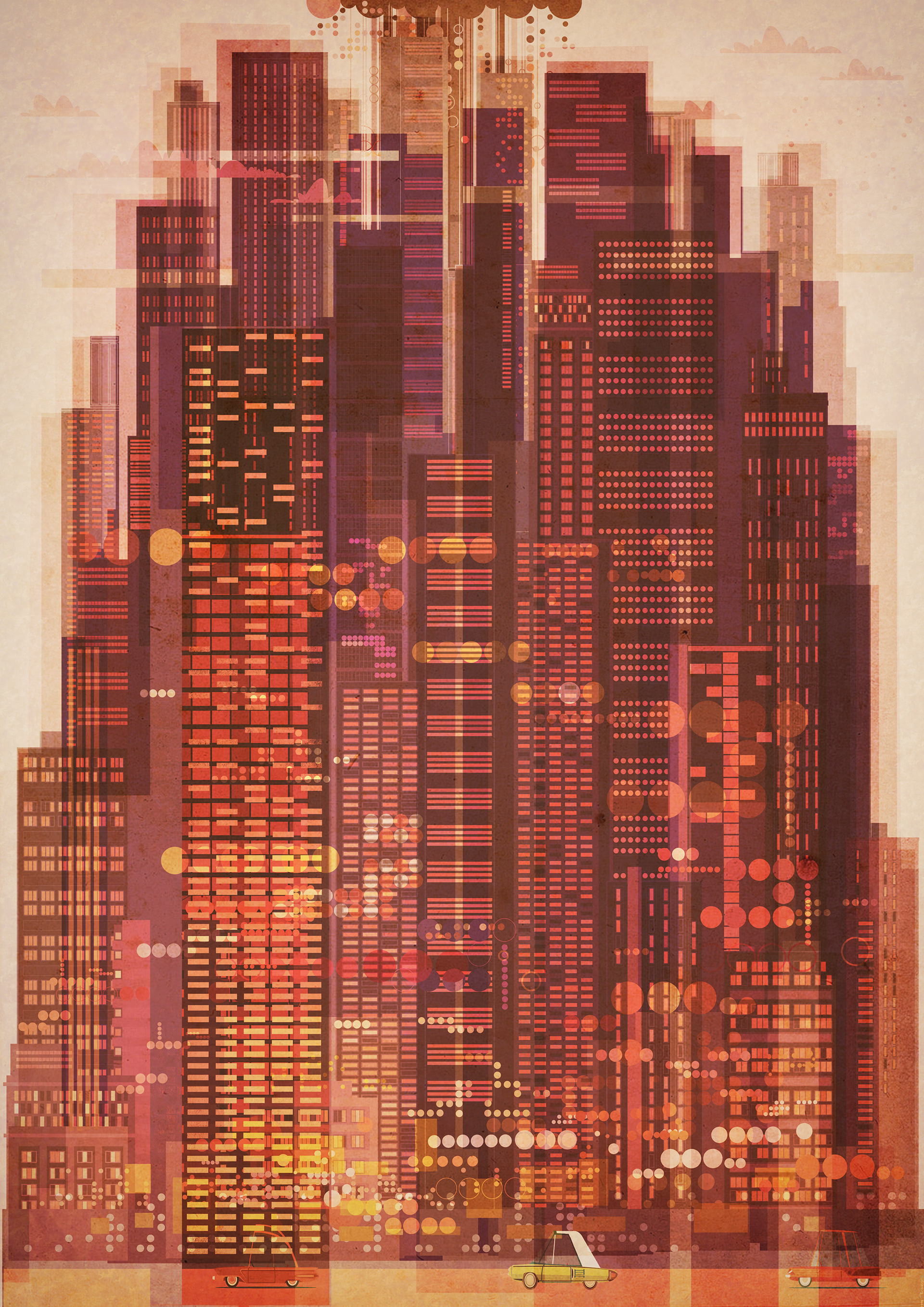
The 2015 release sharpened the idea. Instead of a general gallery, I paired specific artists, discovered directly on Behance, to specific apps, so the splash screen itself started to reflect something of what that app was actually for. Niels Buschke's work opened Muse, Tyler Driscoll's opened Lightroom, Ash Thorp's opened After Effects, and so on across the full Creative Cloud suite.
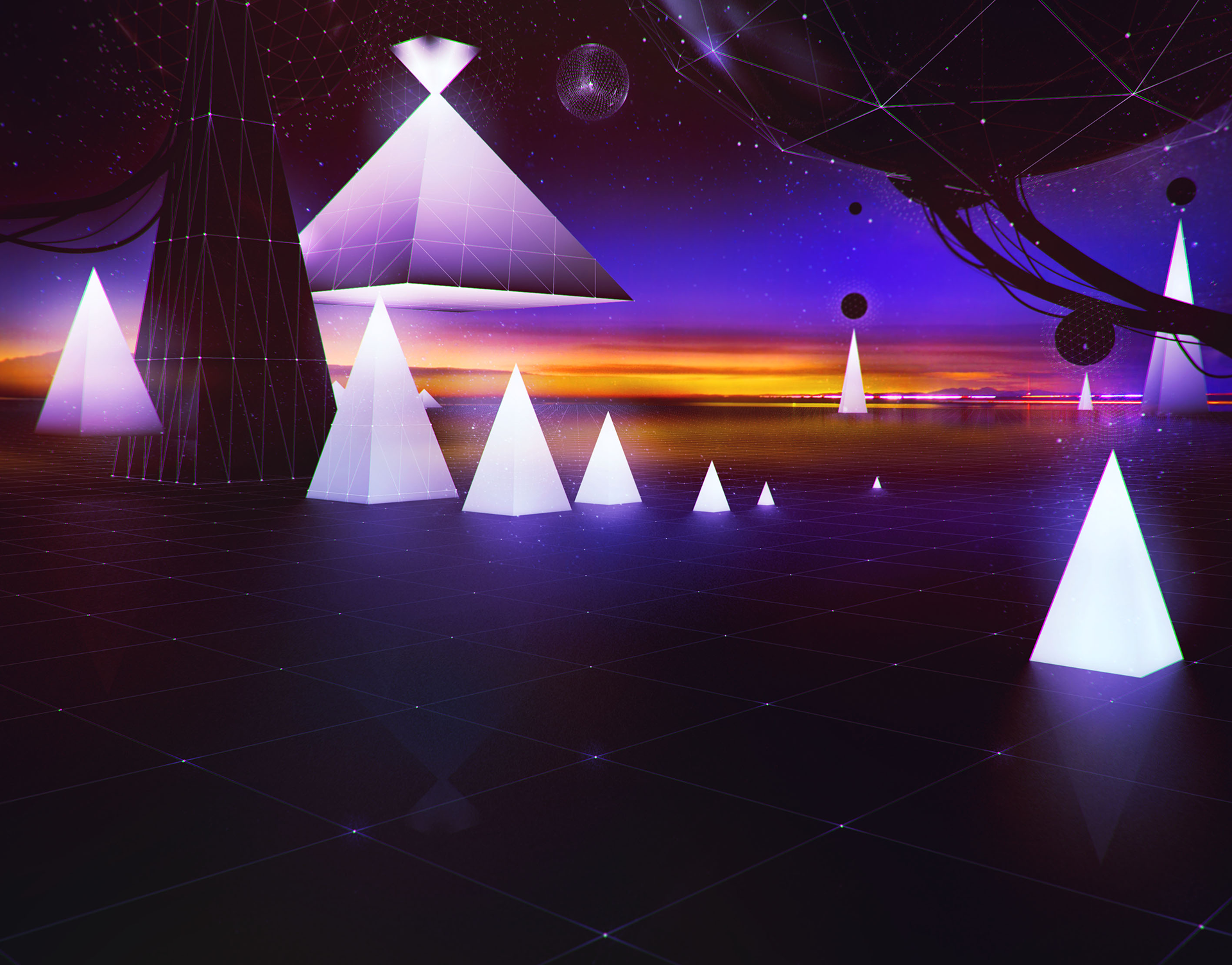
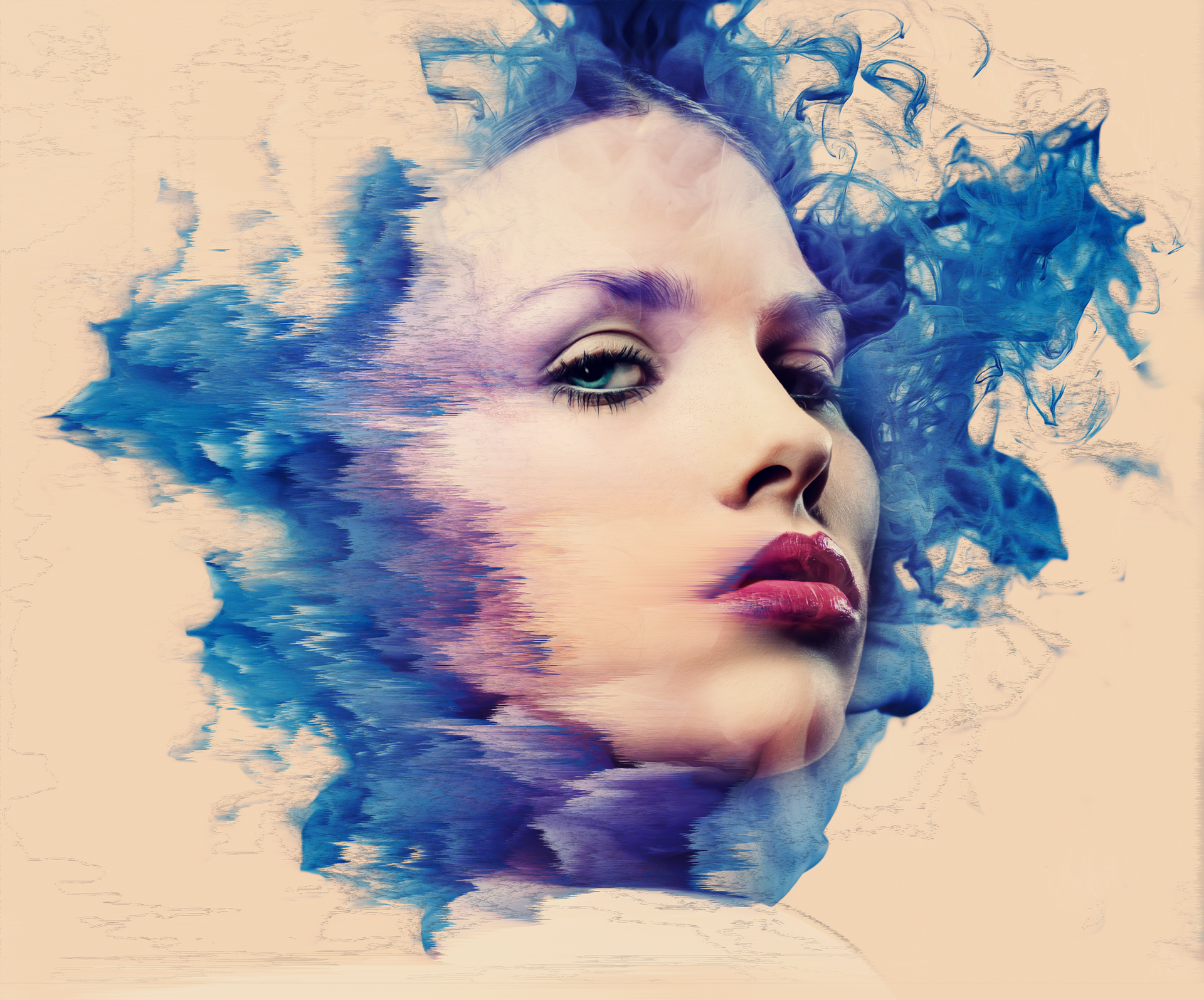
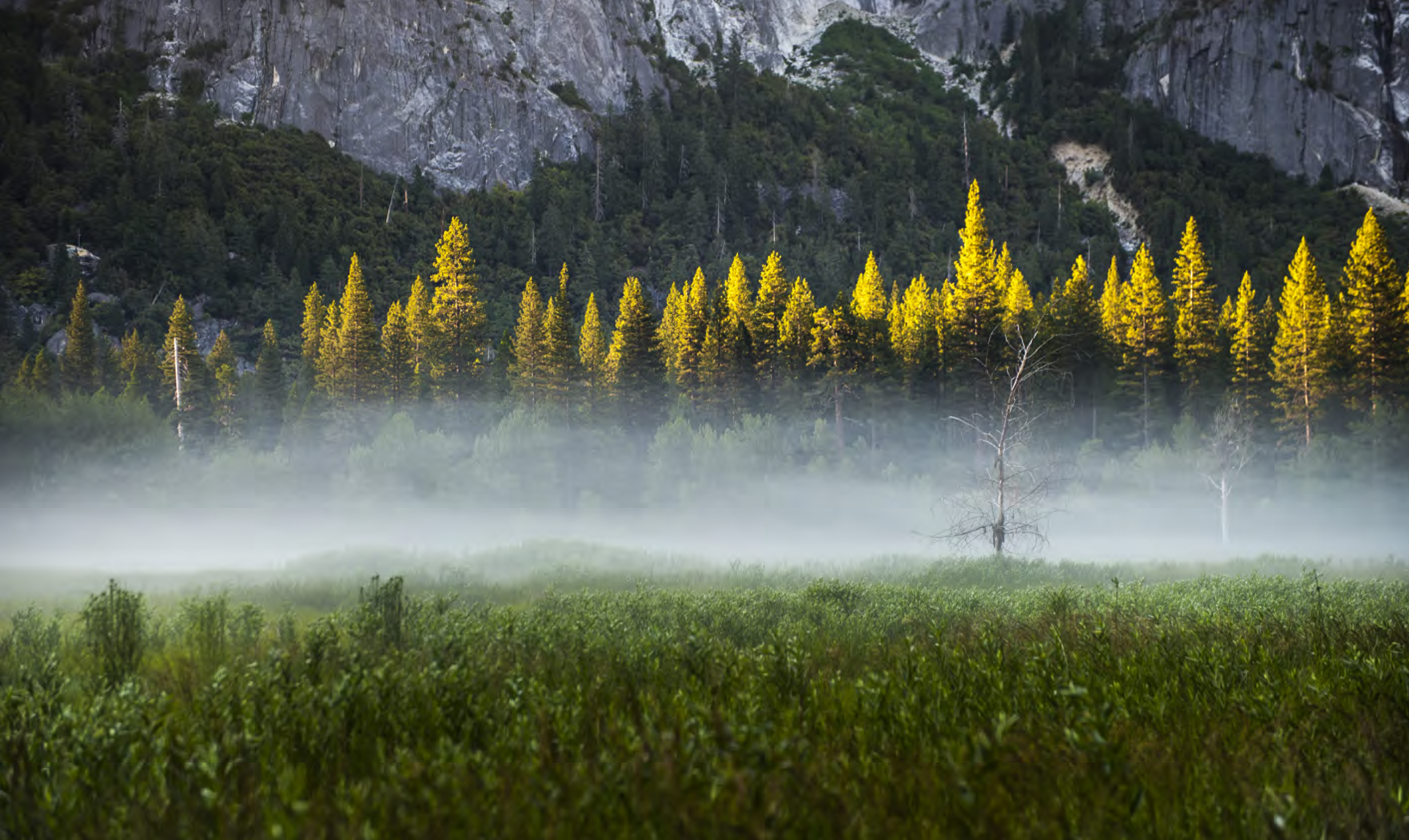
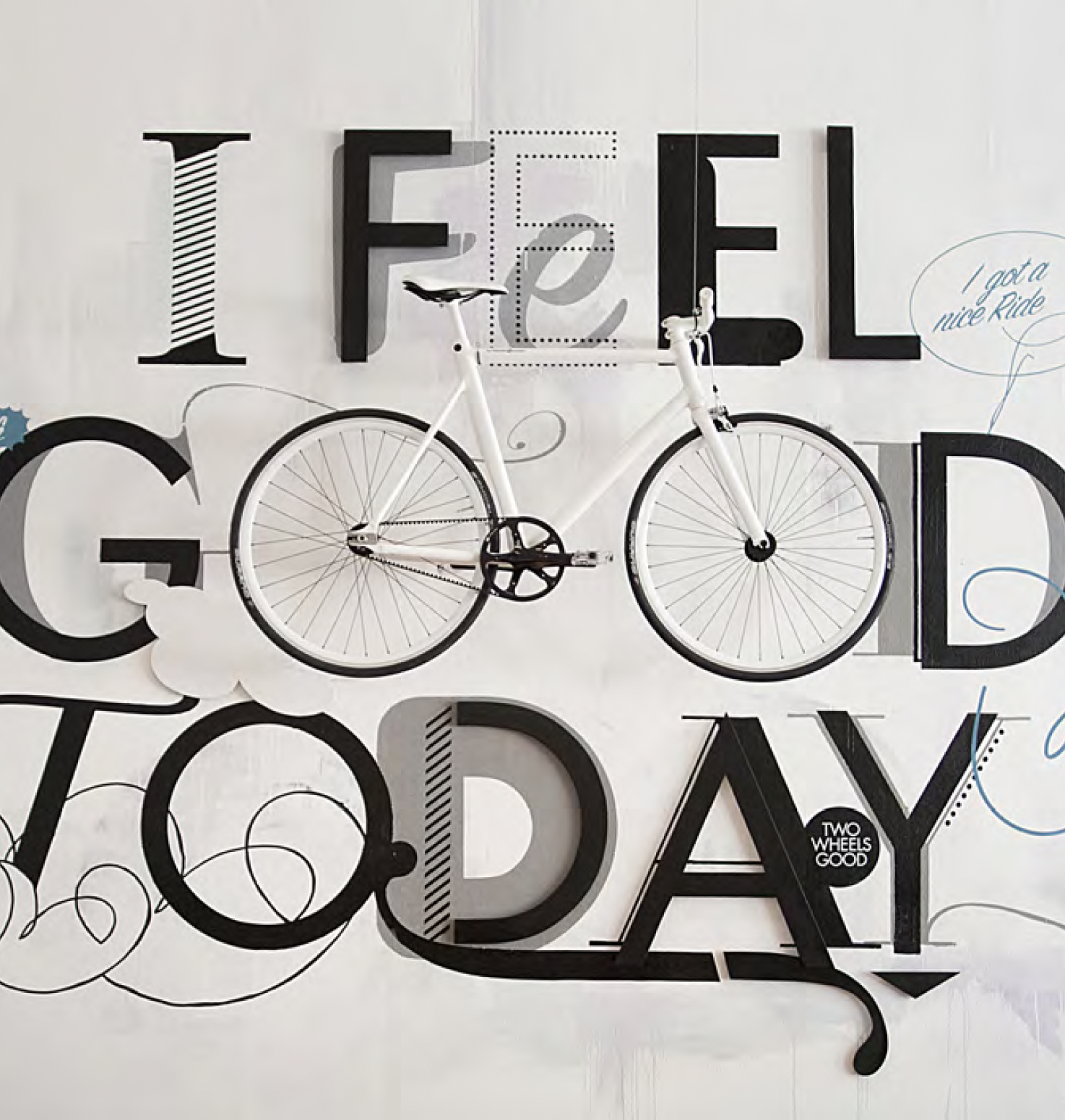
In 2018, Michael Jarrott and I formulated a unique approach for the flagship apps: collaborations, grounded in the idea that collaboration and creativity together make something uniquely new. Starting that year, I began commissioning original artwork outright, rather than sourcing existing work, for Creative Cloud's six flagship apps: Photoshop, Illustrator, InDesign, Premiere Pro, Lightroom, and After Effects. The rest of the suite continued to run on curated work.
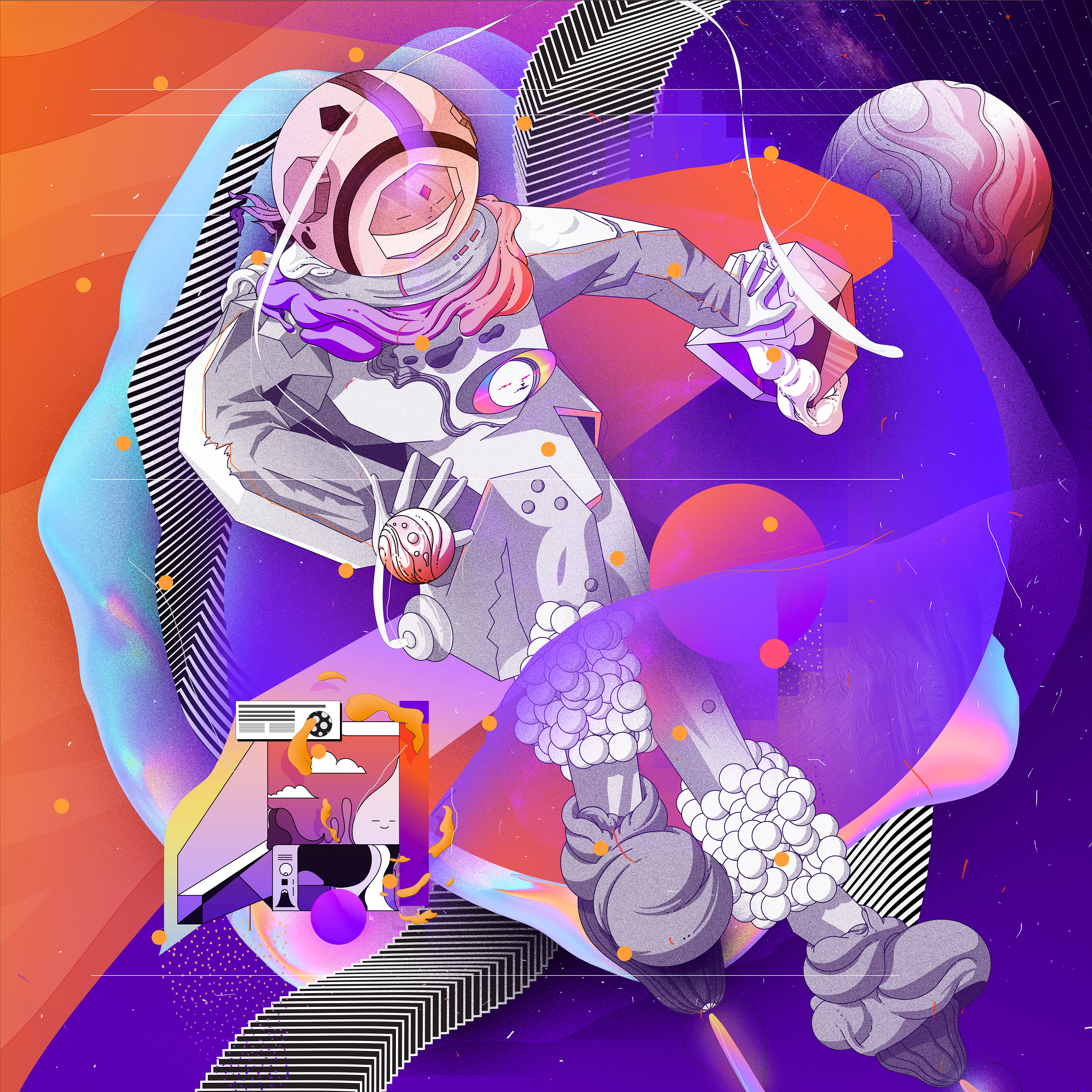
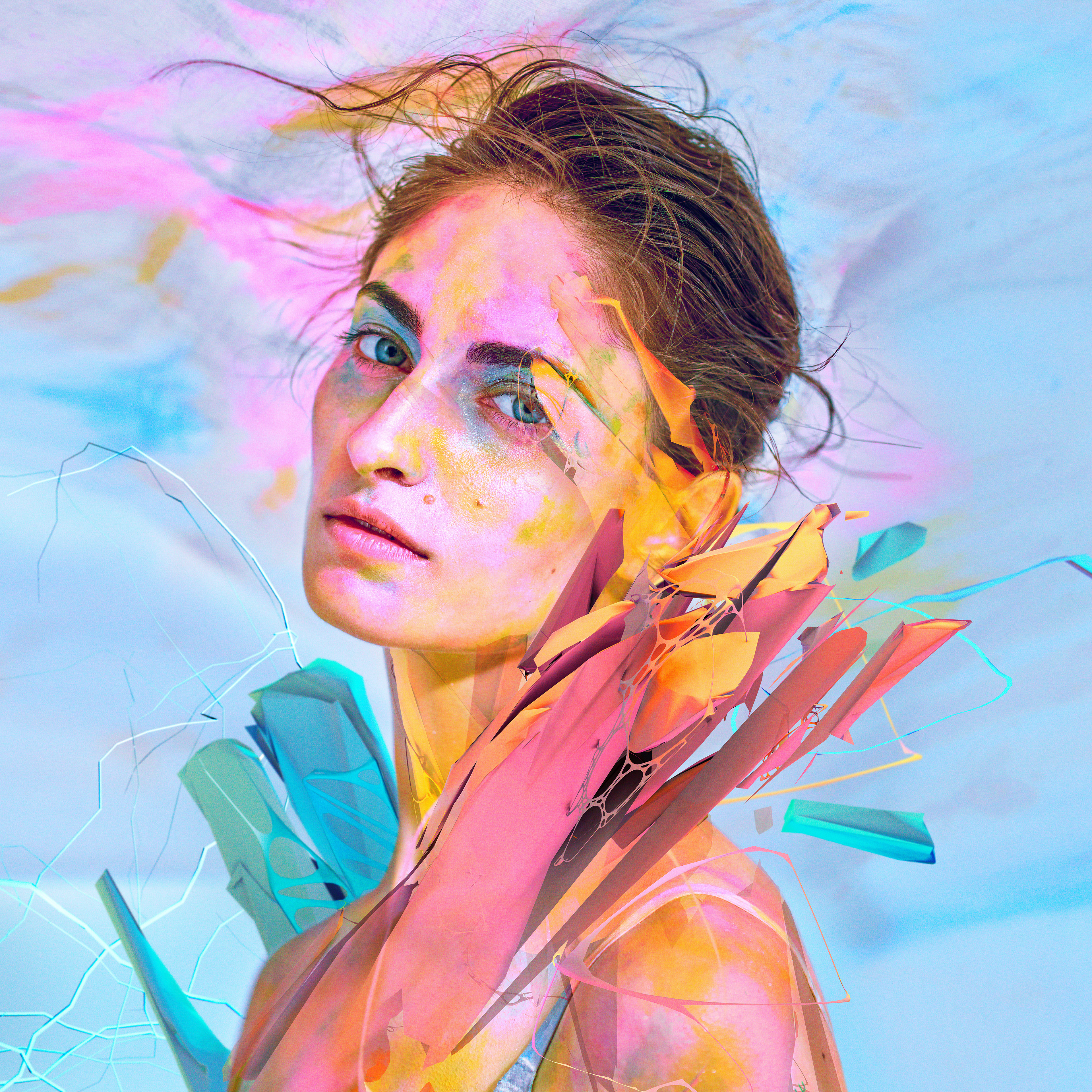
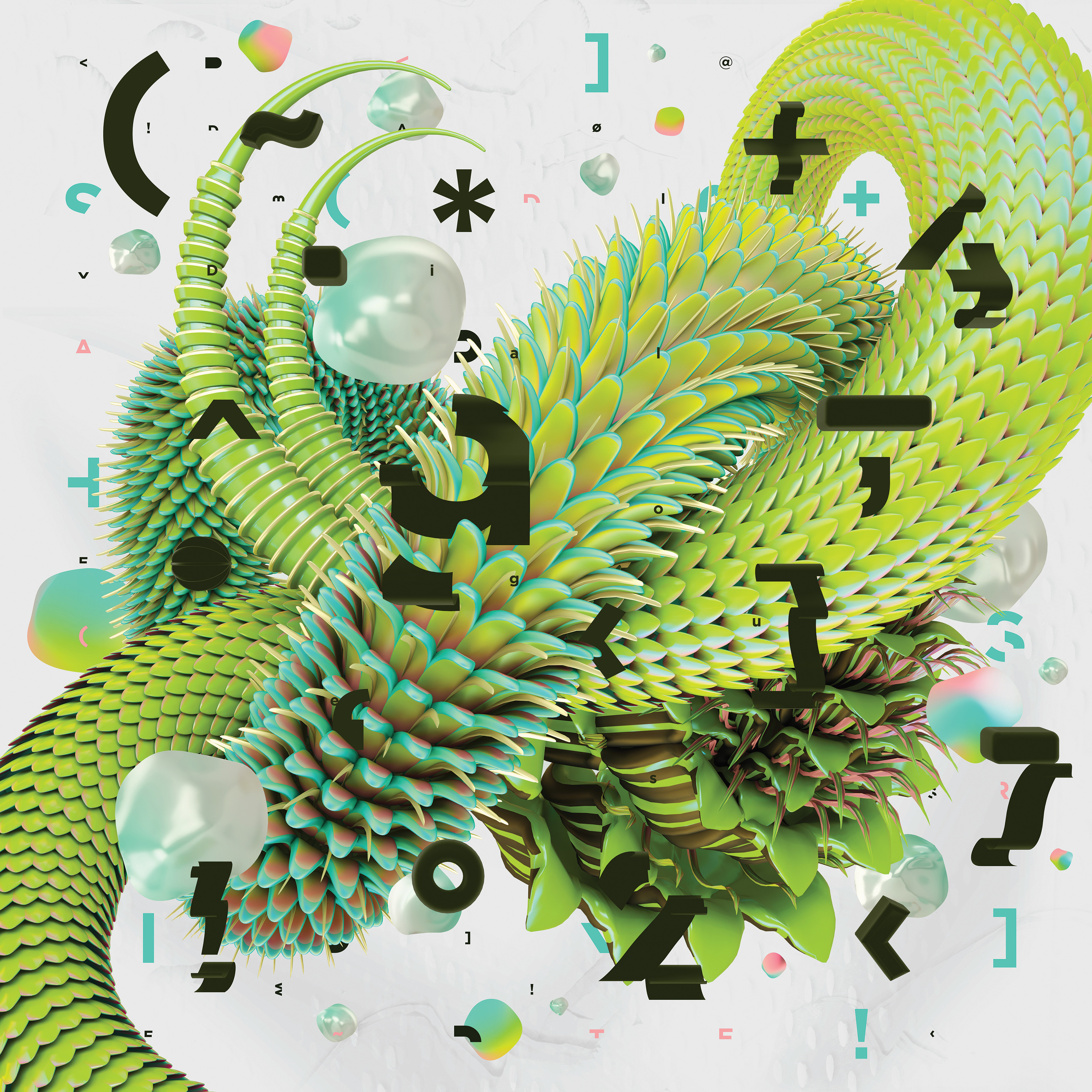

By 2022, that split was fully in place. Built around the idea that creativity belongs to everyone, not a lucky few, I commissioned new artwork for those same six flagship apps: Natasha Cunningham for Photoshop, Petra Eriksson for Illustrator, Au Chon Hin for InDesign, Elise Swopes for Premiere Pro, Aishy for Lightroom, and Never Sit Still for After Effects, while the rest of the suite, Dreamweaver, Animate, Character Animator, InCopy, Lightroom Classic, Audition, and Media Encoder, ran on curated work from artists including Roman Bratschi and Ana Gomez Bernaus.
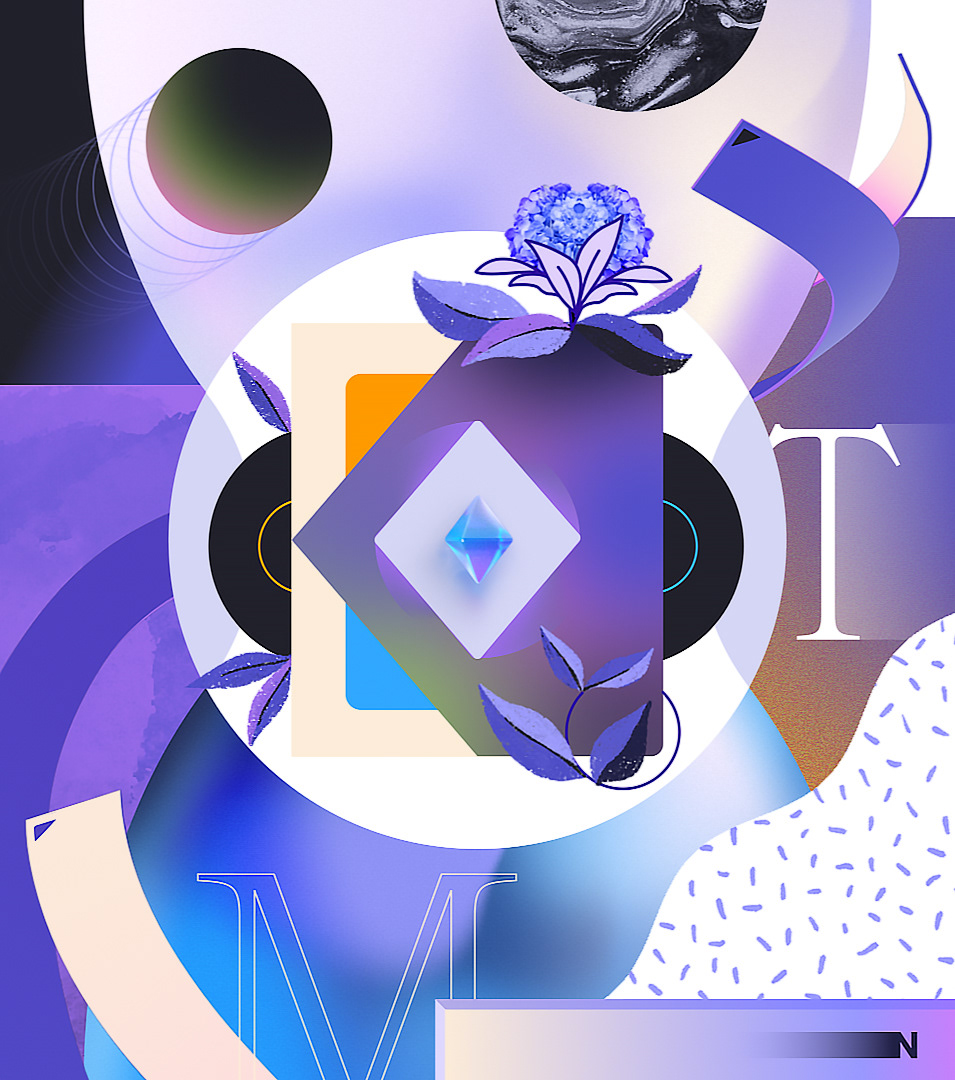
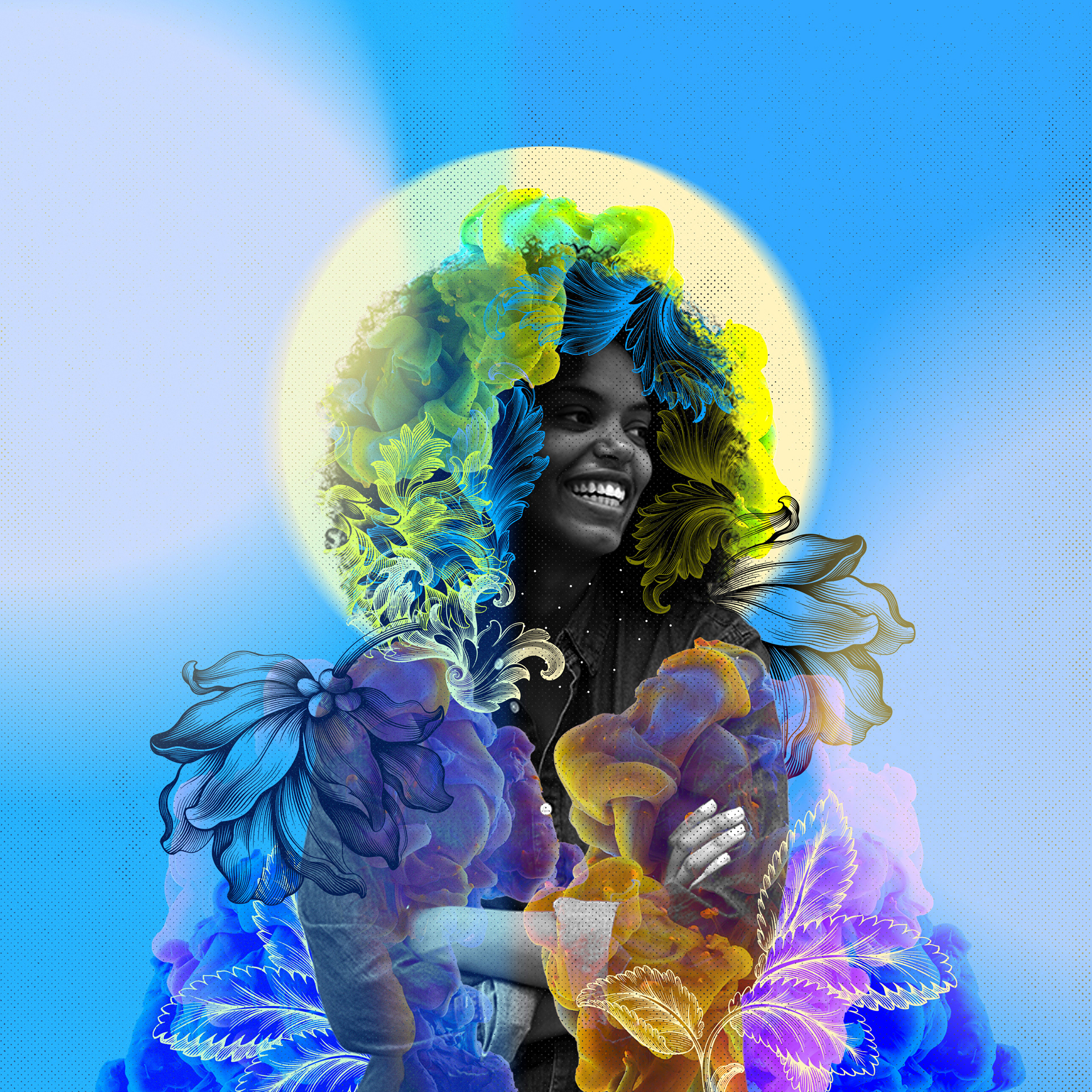
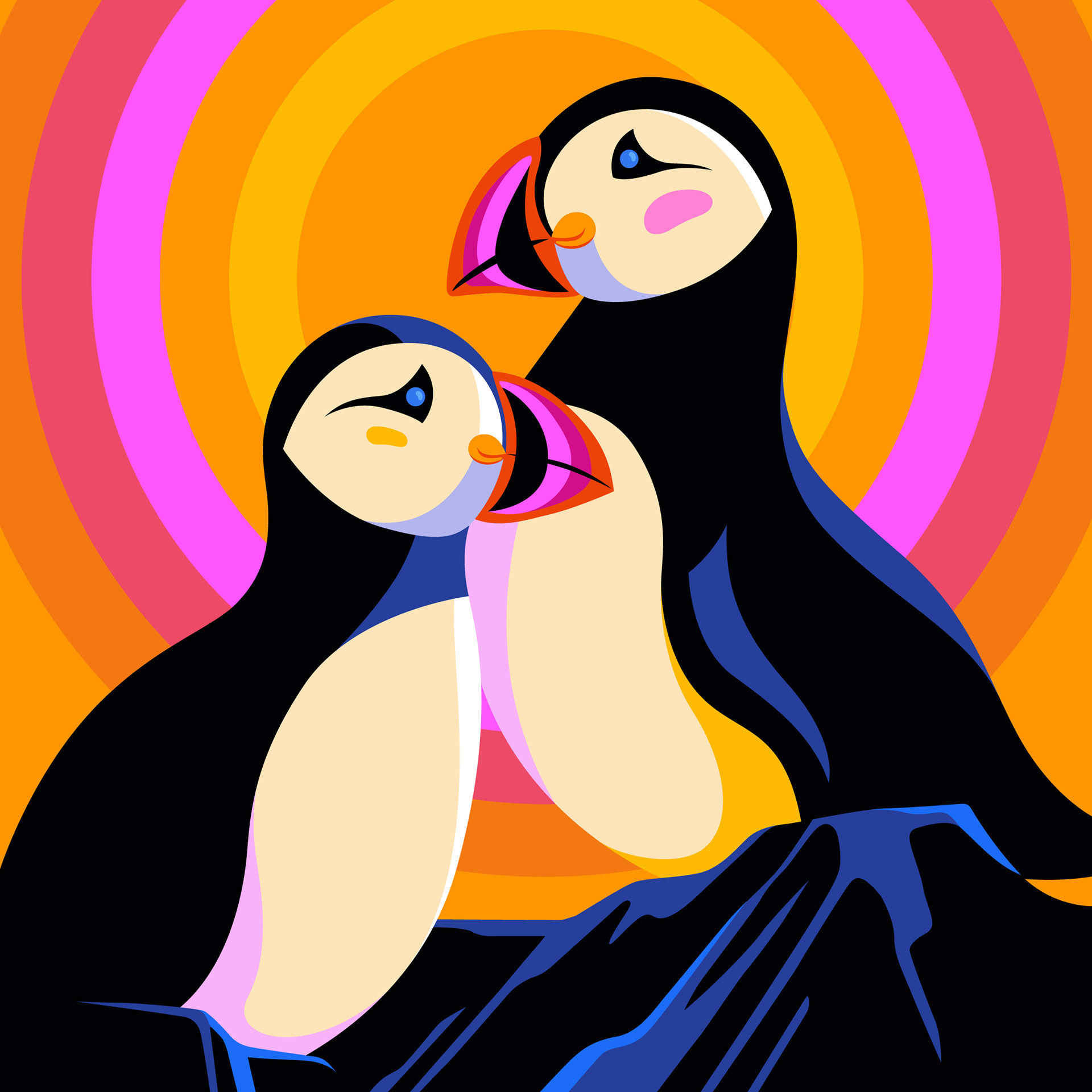
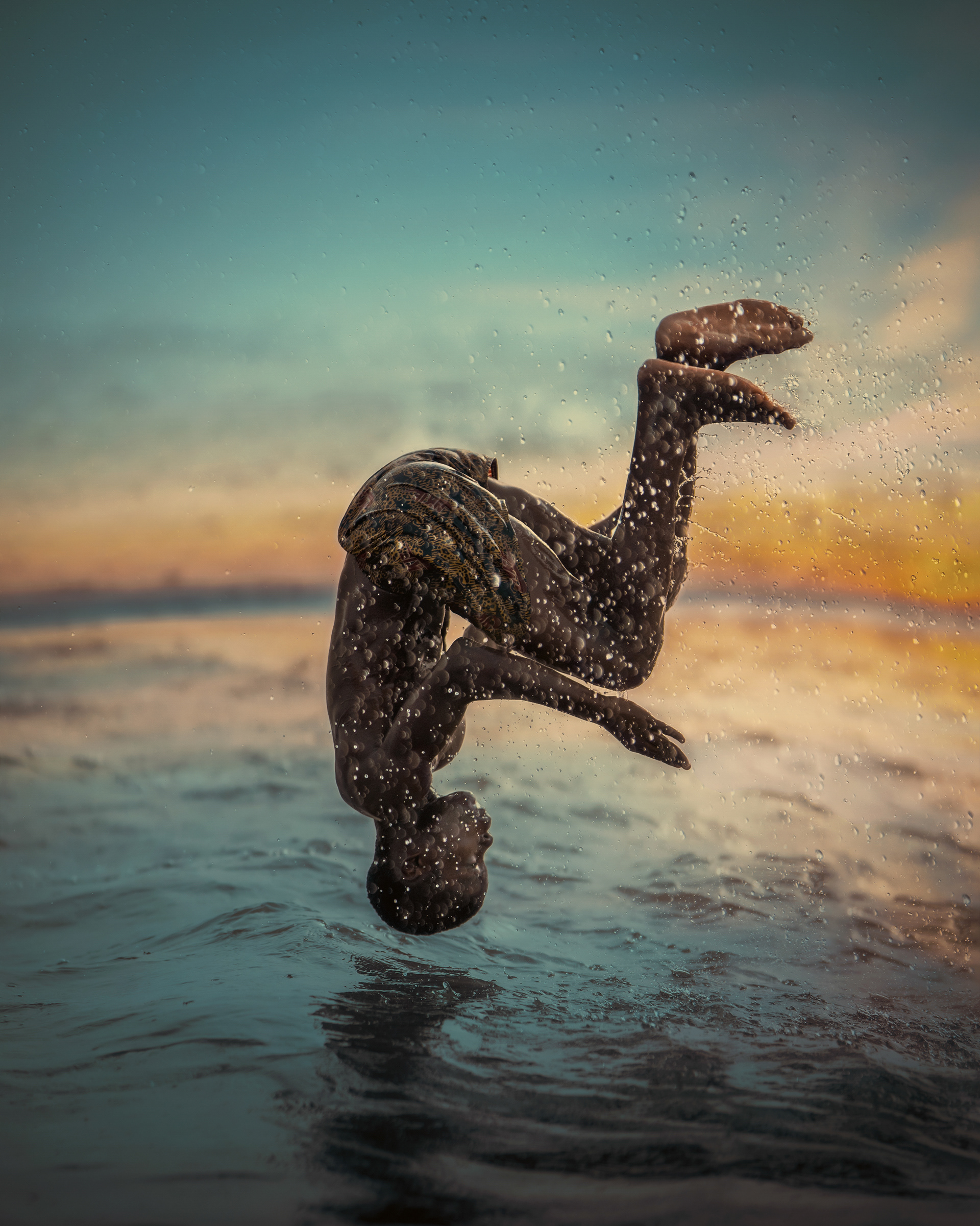
In 2023, I formalized the whole approach into a real strategy: five objectives spanning representation, product storytelling, and audience reach, mapped to a seasonal cadence so the artwork could refresh at key moments through the year instead of shipping once and sitting still. I grounded the thinking in a line from John Maeda's The Laws of Simplicity: “Hiding complexity through ingenious mechanical doors or tiny display screens is an overt form of deception. If the deceit feels less like malevolence, more like magic, then hidden complexities become more of a treat than a nuisance.” Adobe's tools already read as complex, especially to audiences outside its existing user base, so the solution was a deliberate move away from complex techniques and patterns toward imagery that stayed simple and attainable while remaining iconic.
Ten years in, the throughline hasn't changed: give real artists real reach through one of Adobe's most-seen surfaces, and let that work do more of the talking than another branding system ever could.


Credits
John Caponi / Senior Creative Director / Concept, direction, commissions and curation, 2014–2023
Royce Leonard / Art Director / Curation, 2015–2017
Michael Jarrott / Sr. Art Director / Creative direction, commissions and curation, 2018–2022
Zoey Gassner / Art Director / Curation, 2022–2023